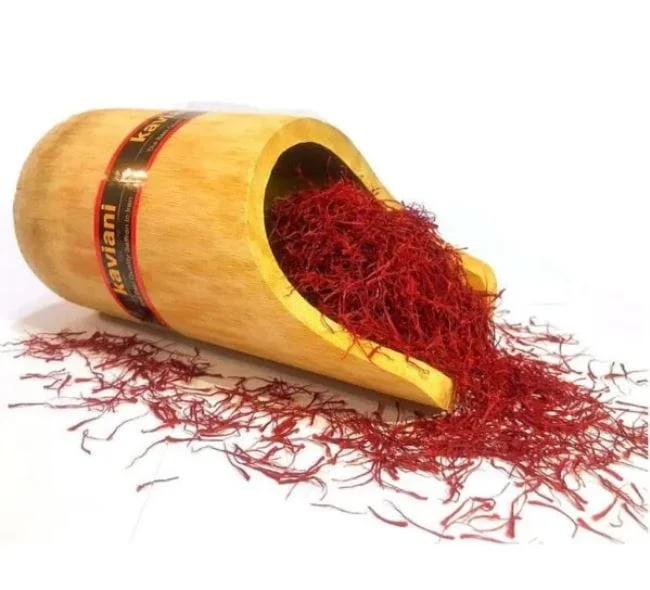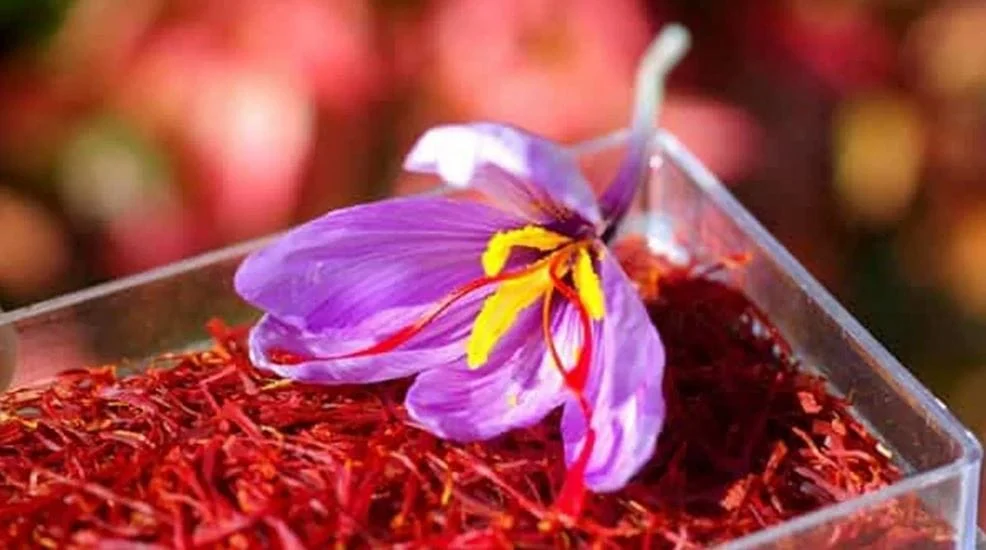
Direct export of Iranian saffron to America briefly reopened in 2016 after a long interruption. The original report on this page recorded 41 kilograms shipped in several retail pack sizes, with a declared value of more than US$68,000. That was a notable moment for Iranian growers and exporters, but it belongs to a specific trade window; it should not be read as proof that the same route is open today.
A short reopening after years of indirect trade
For roughly 15 years, sanctions had kept Iranian-origin goods such as saffron, pistachios and hand-woven carpets out of ordinary direct trade with the United States. Iranian saffron still reached international buyers, but often through intermediaries in markets such as the United Arab Emirates. Bulk product could then be packed and marketed under another country’s brand, separating the spice from its Iranian origin and much of the value attached to it.
The atmosphere changed after the nuclear agreement took effect in January 2016. Contemporary reports described renewed carpet shipments and plans for the first direct saffron consignment to the United States in 15 years. The figures preserved in this article came from the months that followed: 41 kilograms of saffron, packed in units below 10 grams, from 10 to 30 grams, and above 30 grams, with a total value exceeding US$68,000.
Those modest volumes mattered because they tested a direct route. An American buyer could identify the country of origin, while an Iranian supplier had a better chance to retain the product’s identity instead of watching it disappear into a third-country label.
Why the 2016 story is not a current shipping instruction
The legal position changed again. The U.S. rule that allowed transactions connected with certain Iranian foodstuffs and carpets was converted into a wind-down authorisation that ended at 11:59 p.m. EDT on 6 August 2018. The current text of 31 CFR § 560.534 still records that deadline.
That distinction is essential. A shipment reported as lawful in 2016 does not establish that a comparable transaction is lawful now. Sanctions, the parties involved, payment channels, origin rules and any available licence or exception must all be reviewed for the proposed transaction. Importers and exporters should obtain current sanctions and customs advice before agreeing to a sale; this article is a historical and commercial explanation, not legal clearance.
Food-import requirements remain a separate layer
Even where a transaction is legally authorised, saffron entering the United States must meet the rules applied to imported food. The U.S. Food and Drug Administration’s import guidance says importers are responsible for ensuring food is safe, sanitary and truthfully labelled. Relevant foreign facilities generally need FDA registration, and the agency must receive prior notice before food is offered for import.
The American owner or consignee will also normally be the importer responsible for a Foreign Supplier Verification Program, unless an exemption or modified requirement applies. Under the FDA’s FSVP rule, that importer evaluates food hazards and supplier performance, approves suppliers and carries out suitable verification activities. This responsibility cannot be replaced by a glossy certificate or a general assurance from a broker.
What a credible saffron shipment should document
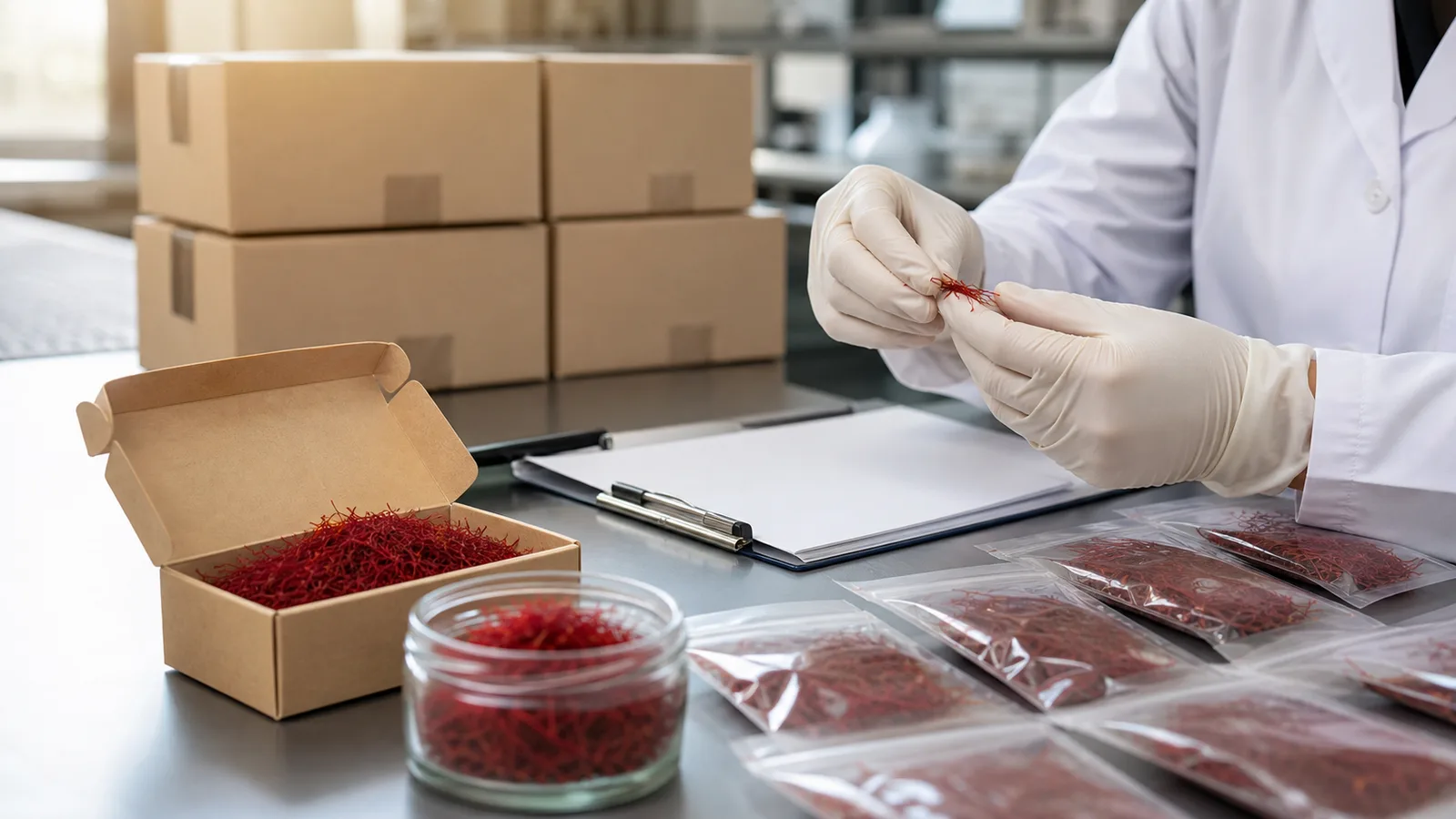
Saffron is compact, valuable and easy to repackage, so a clean documentary trail matters. A commercial file should connect the physical product to its declared origin and the people responsible for it. Depending on the transaction, a buyer may need:
- the producer, processor and packing facility details;
- a batch or lot code that follows the saffron through packing and dispatch;
- the botanical identity and product form, such as whole threads rather than an ambiguous spice blend;
- current laboratory or quality specifications appropriate to the order;
- accurate net weight, country-of-origin and English-language label information;
- the shipping, importer, prior-notice and supplier-verification records required for that entry; and
- a sanctions screening record covering the parties, banks, carriers and payment route.
Quality testing and legal admissibility answer different questions. A batch may meet a buyer’s colour, aroma and moisture specification yet still be unusable for a particular transaction. Conversely, a lawful route does not prove that the saffron is genuine or that its grade matches the contract. Buyers should verify both. Our overview of Iranian saffron standards explains the product-quality side in more detail.
Direct origin still has commercial value
The 2016 exports showed why direct origin matters beyond shipping distance. When the grower, processor, exporter and importer share a traceable chain, the buyer can ask where the crop was grown, how it was dried, what grade was supplied and which lot was tested. That is harder when bulk saffron changes hands several times before it reaches a branded jar.
Intermediaries are not automatically a problem. They may provide lawful payment, logistics, testing or local distribution. The concern is loss of identity: Iranian saffron can be resold without a clear account of its origin, while customers assume the final packing country grew the spice. Transparent labels and batch records let legitimate intermediaries add a service without erasing provenance.
What this episode means today
The direct export of Iranian saffron to America in 2016 was real within the policy window of its time. The reported 41-kilogram total and value above US$68,000 captured an early return to a market that had been closed to direct saffron trade for years. It also exposed a lasting industry issue: Iranian producers gain less recognition when their crop is routed through another country and sold under a different identity.
Today, the useful lesson is not to repeat a decade-old shipping claim. It is to preserve origin, verify quality and check the current legal route before goods or money move. When all three are documented, a buyer knows what the saffron is, where it came from and whether the proposed import can proceed.

![Exporting Saffron to Turkey + Price Guide [Complete 0 to 100]](https://img.rowhanisaffron.com/20260827003933/saffron-export-turkey-quality-inspection.webp)